Pressure Washer Smoking? What Each Color Means and Fixes

Some links in this guide are affiliate links. If you buy through them we may earn a commission, at no extra cost to you. This never affects what we recommend or how we rank equipment. Read our disclosure.
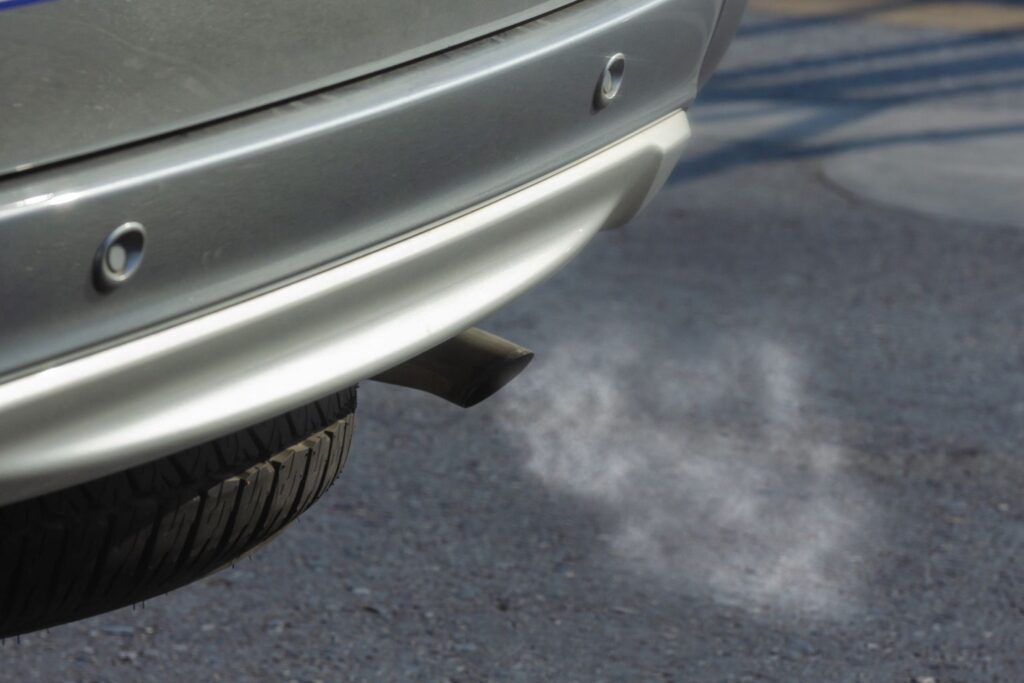
Pressure washer smoking? The color and the place it comes from tell you the cause. White or blue smoke from a gas engine usually means it is burning oil, often from overfilling the crankcase or tipping the machine. Black smoke means too much fuel and not enough air, from a dirty air filter, a carburetor that needs adjusting or, on hot water units, a burner out of tune. Smoke or a burning smell from the hose, pump or an electric motor points to heat in the wrong place, and the machine should be shut off at once.
White or blue engine smoke: check that the oil is not overfilled and is the right grade, and that the machine was not tipped; smoke from tipping should clear after a few minutes on level ground. Black engine smoke: clean or replace the air filter, make sure the choke is open, and have the carburetor adjusted. Black smoke from a hot water burner: adjust the burner air, and check the fuel nozzle, fuel filter and electrodes. Smoke from the hose, pump or electric motor: shut it off and find the heat source before running it again.
What the smoke color means
| What you see | Most likely cause | First fix |
|---|---|---|
| White or blue smoke from the engine | Oil burning: overfill, tipping, wrong grade | Check oil level and grade, run on level ground |
| Black smoke from the engine | Rich mixture: dirty air filter, carburetor, choke | Clean the air filter, open the choke, adjust the carburetor |
| Black smoke from a hot water burner | Not enough air for the fuel | Adjust burner air, check nozzle and fuel filter |
| Smoke or melting smell at the hose | Hose touching the hot muffler | Shut off, reroute the hose, replace it if damaged |
| Burning smell from an electric unit | Motor or cord overheating | Unplug, let it cool, check the cord |
White or blue smoke from a gas engine
Briggs & Stratton says blue or white smoke usually means the engine is burning oil, and lists these causes:
- Overfilling the crankcase with oil, beyond the capacity shown on the dipstick.
- Using the wrong oil grade.
- Running the engine at more than a 15 degree angle.
- Tipping or tilting the engine on its side for storage, an oil change or any other reason.
- A crankcase breather that is not working, or a blocked or kinked breather tube behind the air filter.
- A crankcase air leak or a blown head gasket.
- Worn cylinder or piston rings.
The first two are the easy ones. Check the oil on level ground. If it is above the full mark, drain or siphon out the extra. Simpson’s pressure washer manual also warns that oil can fill the cylinder and damage the engine if the unit is not stored or transported upright, so a machine that rode on its side in a truck can smoke on its next start. Briggs & Stratton says smoke from tipping should clear after a few minutes of running on a flat surface.
If the oil level and grade are right, the machine has stayed upright and the smoke does not clear, the cause is inside the engine: the breather, a gasket or worn rings. That is a job for a small engine shop.
Black smoke from a gas engine
Black smoke means the engine is getting more fuel than it can burn. Briggs & Stratton’s problem-solving tips point to two fixes: clean or replace a dirty or plugged air filter, and have the carburetor adjusted. Also check that the choke is fully open once the engine has started and warmed up, because a choke left on runs the engine rich. If the engine also hunts up and down, see pressure washer surging or pulsing.
For oil-related smoke

DURATECH 500cc fluid extractor with extension tubes
Hand pump to draw excess oil out through the dipstick tube when the crankcase is overfilled.
Check price on Amazon
Briggs & Stratton full synthetic 5W-30 small engine oil, 32 oz
4-cycle small engine oil. Check your engine manual for the right grade and capacity before filling.
Check price on AmazonAs an Amazon Associate we earn from qualifying purchases. Prices and availability change, so check the current price on Amazon.
Black smoke from a hot water pressure washer burner
On hot water machines, smoke from the burner stack is a burner problem, not an engine problem. Alkota sums it up as “black smoke = not enough air”: the burner is getting more fuel than air to burn it. Its fixes are to adjust the burner air, allow for altitude, check or replace the fuel nozzle, check the fuel and fuel filter, and avoid running in semi-enclosed spaces where the burner cannot draw enough air.
Hotsy adds the causes of soot build-up in the coil: low voltage to the burner, old or dirty fuel, electrodes that are out of adjustment, cracked or chipped, and a wrong air to fuel mixture. Soot plugs the coil, cuts efficiency and raises fuel use. Hotsy recommends professional burner maintenance twice a year and notes that adjusting a diesel burner properly needs combustion test instruments. If the burner will not light at all, see hot water pressure washer burner not firing.
Smoke from the hose, pump or nearby surfaces
- The hose is on the muffler. Simpson warns not to let hoses touch the hot muffler during or right after use; it says damage from hot engine surfaces is not covered by warranty. Replace a hose that smoked or looks soft or blistered, since it carries high-pressure water.
- Something is too close. Simpson says to keep the pressure washer at least 4 feet from surfaces that muffler heat could damage, and warns that materials placed against the unit can block its ventilation and cause overheating.
- The pump is overheating. Simpson says not to let the unit run for more than two minutes without pulling the trigger, because water recirculating in bypass mode heats up and can damage the pump. When it gets too hot, the thermal relief valve releases a gush of water to cool it. Hot water or steam from the pump area is a warning to pull the trigger more often or shut the engine off between tasks. Check the pump oil too; our guide to pressure washer pump oil covers it.
Electric pressure washer smoking or smelling of burning
An electric motor should never smoke. Unplug the machine right away and let it cool. Then check the cord and plug for melted or discolored spots, and check that any extension cord matches the gauge and length your owner’s manual allows, since a cord that is too light or too long can overheat. Many electric units also recirculate water when the trigger is released, so check your manual for how long the pump can run without spraying. If the motor itself smoked, have it checked or contact the maker before using it again; a motor that has overheated may be damaged.
Carbon monoxide: the smoke you cannot see
Whatever the color of the smoke, exhaust is the real hazard. Simpson’s manual warns that engine exhaust contains high levels of carbon monoxide, which you cannot see or smell, and that deadly levels can build up indoors or in partly enclosed spaces. Run gas pressure washers and hot water burners outdoors, away from doors, windows and vents. If the machine will not start after you fix the smoke problem, see pressure washer won’t start.
Common questions
Why is my pressure washer smoking white?
Usually burning oil. Briggs & Stratton lists an overfilled crankcase, the wrong oil grade, tipping the engine or running it at more than 15 degrees, a bad breather, a blown head gasket and worn rings.
Why is my new pressure washer smoking?
Check the oil level first; overfilling is the first cause Briggs & Stratton lists. If the machine was shipped or carried on its side, oil may be in the cylinder, and the smoke should clear after a few minutes on level ground.
Why is my pressure washer blowing black smoke?
The engine is running rich. Clean or replace the air filter, make sure the choke is open, and have the carburetor adjusted, as Briggs & Stratton advises.
Can you overheat a pressure washer?
Yes. Simpson says running more than two minutes without pulling the trigger overheats the pump in bypass mode and can damage it. The thermal relief valve releases hot water when that happens.
Why is my hot water pressure washer smoking?
The burner is not burning its fuel completely. Alkota says black smoke means not enough air; check the burner air setting, fuel nozzle, fuel filter and electrodes, and avoid enclosed spaces.
Is it safe to use a pressure washer that smokes?
Not until you find the cause. Oil smoke from tipping clears quickly, but smoke from the hose, pump or an electric motor means something is overheating. Always run gas units outdoors because of carbon monoxide.
Bottom line: white or blue smoke means oil, black smoke means too much fuel for the air, and smoke from a hose, pump or electric motor means overheating; check the oil and air filter first, keep hoses off the muffler, and never idle in bypass for more than two minutes.